
Table of Contents
- The Reset Button Problem
- What Wanderlog and TripIt Miss
- The Atlas Memory Layer
- A Real Example
- Why No One Else Does This
The Reset Button Problem
Every trip begins as if you have never traveled before. You open a planner, type a destination, pick dates, and immediately face the same empty form: where do you want to go, what do you want to eat, what kind of pace do you prefer, which neighborhoods matter, which places are worth crossing town for?
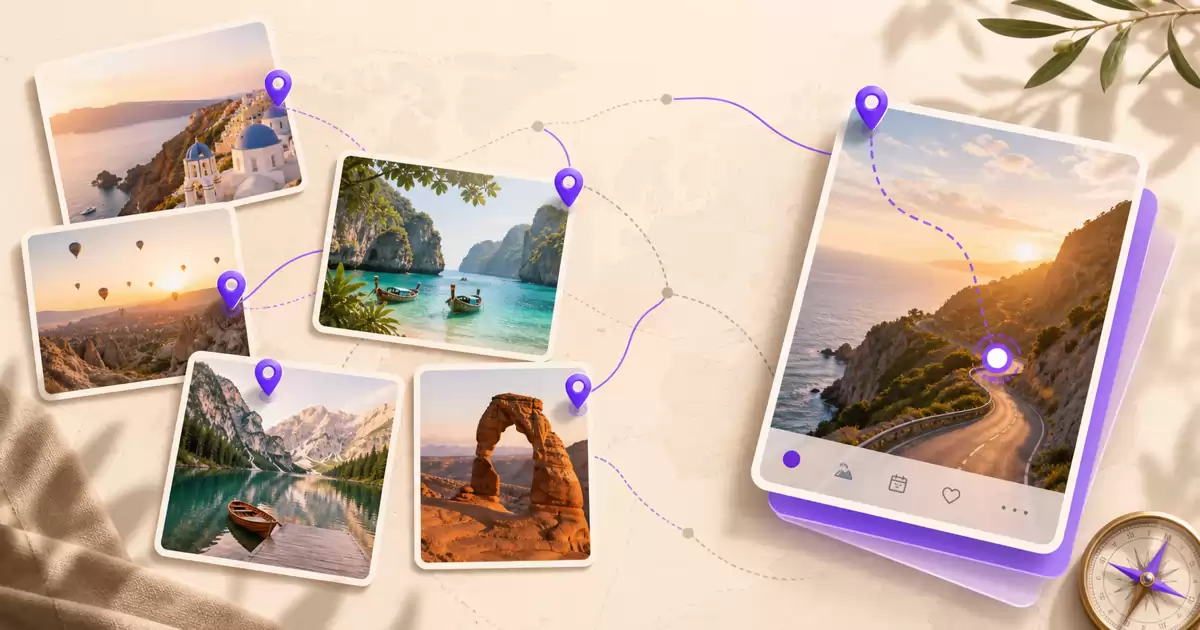
That reset button is strange because the best source of information is already in your phone. Your past travel photos, notes, routes, and location history show what you chose when nobody was asking you to fill out a preference survey. They show where you slowed down, where you took too many pictures, which meals became stories, which viewpoints were worth the climb, and which museums you quietly skipped.
Yet most travel planning apps treat those memories as invisible. They ask for the next destination but never look at the trips that came before it. They recommend by city popularity, sponsor inventory, and generic search patterns. They do not connect what you actually loved in Kyoto, Seoul, Lisbon, or Chengdu to what you might love next in Taipei, Tokyo, or Istanbul.
Your camera roll already knows your taste better than a generic travel recommender.
The cost is not only wasted time. The cost is repetition without understanding. You keep rebuilding the same personal profile from scratch, while the most honest profile sits unused in your own travel archive.
What Wanderlog and TripIt Miss
Wanderlog is useful when you need a map, a list, and a shared itinerary. But its AI recommendations often land in the safest possible middle. Ask for Tokyo and you get the familiar stack: Shibuya Crossing, Asakusa Temple, Tokyo Tower, teamLab, maybe Tsukiji. These places may be worth seeing, but they are not evidence that the app understands you. They are evidence that the app understands Tokyo's default tourist surface.
TripIt misses the problem from the other direction. It is excellent at parsing email confirmations and turning flights, hotels, and car rentals into a clean itinerary. But a confirmation email does not tell the app what you enjoyed. It knows your check-in time, not whether the neighborhood cafe became your favorite hour of the trip. It knows your flight home, not that you spent every spare morning looking for quiet gardens.
Google Trips, before it disappeared, had the same pattern. It organized reservations, offline city guides, and popular things to do, but it never built a durable taste model from the traveler's own memory. The app could say what many people visit. It could not say what your past behavior suggests you will care about next.
This is the generic recommendation trap. A planner can be polished, collaborative, and AI-labeled, yet still miss the most important question: compared with all the possible things in this destination, what is most likely to matter to this specific traveler?
The Atlas Memory Layer
Wimemo approaches the problem from the opposite side. Before a trip becomes a plan, it is part of a life of travel memories. Atlas already knows where you have been and what you seemed to love, because it organizes your real photos and places instead of asking you to start with an abstract preference form.
The restaurant you took four photos of? Atlas remembers that cluster. The sunrise viewpoint you hiked two hours to reach? Atlas logs the place and the time. The tiny stationery shop, the teahouse, the dessert counter, the mountain trail, the neighborhood you returned to three times in two days: these are not random artifacts. They are signals.
Planner can tap into that existing memory layer. If Atlas shows that you repeatedly photographed old bookstores, Planner should not only suggest the top ten landmarks in a new city. It should surface literary neighborhoods, independent bookshops, quiet cafes nearby, and enough time between stops to actually browse. If Atlas shows that your favorite days cluster around markets and street food, Planner should not optimize for museums from 9 to 5. It should build a day that starts where the city wakes up hungry.
The important shift is that your memories become useful without becoming public. A local-first memory layer can remain personal, private, and durable while still making planning smarter.
A Real Example
Imagine Zoe traveled to Kyoto in 2023. Her Atlas shows that she stopped at three different teahouses, photographed every matcha dessert, and spent more time around Higashiyama than around the largest shopping streets. She did not write a formal preference profile. She simply traveled, took photos, and left behind a pattern.
Two years later, Zoe opens Planner for an upcoming trip to Taipei. A generic planner might recommend Taipei 101, Shilin Night Market, Chiang Kai-shek Memorial Hall, and a standard museum list. Those are valid places, but they could be handed to almost anyone.
Wimemo can do something more specific. Because Atlas remembers Kyoto, Planner suggests the Maokong tea region, a traditional tea ceremony, and the best matcha spots near Daan. It keeps a slower morning open for tea instead of packing the day with landmarks. It adds a transit note because Maokong takes planning. It may still include famous places, but the shape of the trip now reflects Zoe rather than the average tourist.
That is the difference between recommendations and memory-aware planning. One starts with the destination. The other starts with the traveler.
Why No One Else Does This
Most travel apps are trip-centric. They create a container with a start date, an end date, bookings, notes, and places. When the trip is over, that container becomes archive material or clutter. The product's mental model is start, plan, travel, finish, delete, repeat.
That model makes memory-aware planning difficult. If each trip is isolated, the system has no natural way to learn across trips. A restaurant in Kyoto, a teahouse in Chengdu, a ceramics market in Seoul, and a tea mountain in Taipei all remain separate data points, even though they may describe the same preference.
Wimemo is memory-centric instead. Atlas persists across trips. Places, photos, and timelines survive after the itinerary ends. Because the architecture is local-first, the archive can stay on your device and still be available to future planning. Memories do not need to be uploaded into a social feed or flattened into ad targeting to become useful.
This is why Planner and Atlas belong together. Planner should not be another blank reset button. It should be the next chapter of a travel memory system that already knows what made previous chapters worth keeping.
目录
重置按钮问题
每次旅行规划都像从零开始。你打开一个规划 App,输入目的地和日期,然后又面对同样的问题:想去哪、想吃什么、喜欢快节奏还是慢节奏、哪些街区值得停留、哪些地方值得专门绕路。
这很奇怪,因为最好的答案已经在你的手机里。过去的旅行照片、笔记、路线和地点记录,已经展示了你真正会被什么吸引。它们知道你在哪里放慢脚步,哪一餐变成了故事,哪个观景点值得早起,哪些博物馆你其实只是路过。
但多数旅行规划 App 把这些记忆当作不存在。它们只问下一站去哪,却不看之前的旅行。推荐往往来自热门榜单、商业库存和通用搜索模式,而不是你真实喜欢过的东西。
你的相册,比通用旅行推荐更懂你的偏好。
Wanderlog 和 TripIt 漏掉了什么
Wanderlog 在做地图、清单和多人行程时很有用。但它的 AI 推荐常常落在最安全的中间值。你问东京,它就给出涩谷十字路口、浅草寺、东京塔、teamLab、筑地这类标准答案。这些地方未必不好,但这并不说明 App 懂你,只说明它懂东京的游客表层。
TripIt 则从另一端错过问题。它擅长解析邮件,把航班、酒店和租车确认整理成行程。但确认邮件不会告诉它你喜欢什么。它知道入住时间,却不知道楼下那家咖啡馆成了你最喜欢的一小时。它知道返程航班,却不知道你每天早上都在找安静花园。
已经关闭的 Google Trips 也有同样模式:订单、离线城市指南、热门景点都能整理,却没有用旅行者自己的回忆建立长期偏好。它知道很多人去哪,却不知道你下一次可能真正关心什么。
Atlas 记忆层
Wimemo 从相反方向理解这个问题。一次旅行在成为计划之前,已经是个人旅行记忆的一部分。Atlas 已经知道你去过哪里、似乎喜欢什么,因为它整理的是真实照片和地点,而不是抽象偏好表。
你拍了四张照片的餐厅?Atlas 记得这个地点。你走了两个小时去看的日出观景点?Atlas 记录了地点和时间。小文具店、茶馆、甜品柜台、山路、两天内反复回去的街区,都不是随机碎片,而是信号。
Planner 可以调用这层已有记忆。如果 Atlas 显示你经常拍旧书店,Planner 就不应该只给新城市的十大地标,而应该推荐文学街区、独立书店、附近安静咖啡馆,并留出真正能浏览的时间。
一个真实例子
Zoe 在 2023 年去了京都。她的 Atlas 显示,她停过三家不同茶馆,给每一份抹茶甜点都拍了照,在东山一带停留的时间也比大型商圈更久。她没有填写偏好问卷,只是正常旅行、拍照,然后留下了模式。
两年后,Zoe 为即将到来的台北旅行打开 Planner。普通规划器可能推荐台北 101、士林夜市、中正纪念堂和标准博物馆列表。Wimemo 可以更具体:因为 Atlas 记得京都,Planner 会建议猫空茶区、传统茶席体验,以及大安附近好吃的抹茶店。它会为喝茶留出慢一点的上午,而不是把一天塞满地标。
为什么其他产品没这样做
大多数旅行 App 是以单次旅行为中心的:开始日期、结束日期、订单、笔记、地点。旅行结束后,这个容器就变成存档或杂物。产品的思路是开始、规划、出行、结束、删除、重复。
这种模型很难做记忆感知的规划。如果每趟旅行彼此隔离,系统就无法自然地跨旅行学习。京都的餐厅、成都的茶馆、首尔的陶瓷市集和台北的茶山,可能都在描述同一种偏好,却被当成互不相关的数据。
Wimemo 更像以记忆为中心的系统。Atlas 会跨越旅行长期存在。地点、照片和时间线不会在行程结束后失效。因为它是本地优先架构,记忆可以留在设备上,同时继续为未来规划提供线索。
目錄
重置按鈕問題
每次旅行規劃都像從零開始。你打開一個規劃 App,輸入目的地和日期,然後又面對同樣的問題:想去哪、想吃什麼、喜歡快節奏還是慢節奏、哪些街區值得停留、哪些地方值得專門繞路。
這很奇怪,因為最好的答案已經在你的手機裡。過去的旅行照片、筆記、路線和地點記錄,已經展示了你真正會被什麼吸引。它們知道你在哪裡放慢腳步,哪一餐變成了故事,哪個觀景點值得早起,哪些博物館你其實只是路過。
但多數旅行規劃 App 把這些記憶當作不存在。它們只問下一站去哪,卻不看之前的旅行。推薦往往來自熱門榜單、商業庫存和通用搜尋模式,而不是你真實喜歡過的東西。
你的相簿,比通用旅行推薦更懂你的偏好。
Wanderlog 和 TripIt 漏掉了什麼
Wanderlog 在做地圖、清單和多人行程時很有用。但它的 AI 推薦常常落在最安全的中間值。你問東京,它就給出澀谷十字路口、淺草寺、東京塔、teamLab、築地這類標準答案。這些地方未必不好,但這並不說明 App 懂你,只說明它懂東京的遊客表層。
TripIt 則從另一端錯過問題。它擅長解析郵件,把航班、飯店和租車確認整理成行程。但確認郵件不會告訴它你喜歡什麼。它知道入住時間,卻不知道樓下那家咖啡館成了你最喜歡的一小時。它知道返程航班,卻不知道你每天早上都在找安靜花園。
已經關閉的 Google Trips 也有同樣模式:訂單、離線城市指南、熱門景點都能整理,卻沒有用旅行者自己的回憶建立長期偏好。它知道很多人去哪,卻不知道你下一次可能真正關心什麼。
Atlas 記憶層
Wimemo 從相反方向理解這個問題。一次旅行在成為計劃之前,已經是個人旅行記憶的一部分。Atlas 已經知道你去過哪裡、似乎喜歡什麼,因為它整理的是真實照片和地點,而不是抽象偏好表。
你拍了四張照片的餐廳?Atlas 記得這個地點。你走了兩個小時去看的日出觀景點?Atlas 記錄了地點和時間。小文具店、茶館、甜品櫃檯、山路、兩天內反覆回去的街區,都不是隨機碎片,而是信號。
Planner 可以調用這層已有記憶。如果 Atlas 顯示你經常拍舊書店,Planner 就不應該只給新城市的十大地標,而應該推薦文學街區、獨立書店、附近安靜咖啡館,並留出真正能瀏覽的時間。
一個真實例子
Zoe 在 2023 年去了京都。她的 Atlas 顯示,她停過三家不同茶館,給每一份抹茶甜點都拍了照,在東山一帶停留的時間也比大型商圈更久。她沒有填寫偏好問卷,只是正常旅行、拍照,然後留下了模式。
兩年後,Zoe 為即將到來的台北旅行打開 Planner。普通規劃器可能推薦台北 101、士林夜市、中正紀念堂和標準博物館列表。Wimemo 可以更具體:因為 Atlas 記得京都,Planner 會建議貓空茶區、傳統茶席體驗,以及大安附近好吃的抹茶店。它會為喝茶留出慢一點的上午,而不是把一天塞滿地標。
為什麼其他產品沒這樣做
大多數旅行 App 是以單次旅行為中心的:開始日期、結束日期、訂單、筆記、地點。旅行結束後,這個容器就變成存檔或雜物。產品的思路是開始、規劃、出行、結束、刪除、重複。
這種模型很難做記憶感知的規劃。如果每趟旅行彼此隔離,系統就無法自然地跨旅行學習。京都的餐廳、成都的茶館、首爾的陶瓷市集和台北的茶山,可能都在描述同一種偏好,卻被當成互不相關的資料。
Wimemo 更像以記憶為中心的系統。Atlas 會跨越旅行長期存在。地點、照片和時間線不會在行程結束後失效。因為它是本地優先架構,記憶可以留在裝置上,同時繼續為未來規劃提供線索。
目次
リセットボタン問題
旅の計画は毎回、初めて旅をするかのように始まります。目的地と日付を入れると、また同じ質問です。どこへ行きたいのか、何を食べたいのか、早足が好きか、ゆっくり歩きたいか、どのエリアに時間を使うべきか。
でも答えはすでにスマートフォンの中にあります。過去の旅行写真、メモ、ルート、位置情報は、あなたが本当に反応したものを示しています。どこで足を止め、どの食事が思い出になり、どの朝焼けを見るために早起きしたのか。それはアンケートより正直な好みの記録です。
多くの旅行プランナーはこの記憶を見ません。次の目的地は聞きますが、前の旅から学びません。おすすめは人気ランキング、在庫、一般的な検索パターンに寄りがちです。
あなたのカメラロールは、汎用的な旅行推薦よりもあなたの好みを知っています。
Wanderlog と TripIt が見落とすもの
Wanderlog は地図、リスト、共同旅程には便利です。しかし AI のおすすめは安全な平均に落ちやすい。東京なら渋谷スクランブル交差点、浅草寺、東京タワー、teamLab、築地。悪い場所ではありませんが、そのリストはあなたを理解した証拠ではなく、東京の標準観光面を知っている証拠です。
TripIt は別の方向から問題を見落とします。メール確認を読み取り、フライトやホテルを旅程にするのは得意です。でも確認メールは、何が楽しかったかを伝えません。チェックイン時間は分かっても、近所の小さなカフェが旅の一番好きな時間になったことは分かりません。
終了した Google Trips も同じでした。予約、オフラインガイド、人気スポットは整理できましたが、旅行者本人の記憶から長期的な好みを作ることはありませんでした。
Atlas の記憶レイヤー
Wimemo は逆から考えます。旅が計画になる前に、それはすでに旅行記憶の一部です。Atlas は、あなたがどこへ行き、何を好きだったように見えるかを知っています。抽象的な好み入力ではなく、実際の写真と場所を整理しているからです。
4枚も写真を撮ったレストラン。2時間歩いて見に行った日の出の展望台。小さな文具店、茶館、デザートの店、山道、2日で3回戻った街区。これらは偶然ではなく、好みのシグナルです。
Planner はこの記憶レイヤーを使えます。Atlas が古書店の写真を何度も示すなら、新しい街の有名ランドマークだけではなく、文学エリア、独立系書店、近くの静かなカフェ、実際に眺める余白を提案できます。
実例
Zoe は 2023 年に京都へ行きました。Atlas には、3つの茶屋に立ち寄り、抹茶スイーツをすべて撮影し、大きな商業エリアより東山周辺で長く過ごしたことが残っています。彼女は好みのプロフィールを書いたわけではありません。ただ旅をして、写真を撮り、パターンを残しました。
2年後、Zoe が台北旅行のために Planner を開きます。一般的なプランナーなら台北101、士林夜市、中正紀念堂、標準的な博物館を出すでしょう。Wimemo は京都を覚えているので、猫空の茶地域、伝統的な茶席、そして大安近くの抹茶スポットを提案できます。ランドマークを詰め込む代わりに、お茶のためのゆっくりした午前を残します。
なぜ他社はできないのか
多くの旅行アプリは旅単位です。開始日、終了日、予約、メモ、場所を入れる容器を作ります。旅が終わると、その容器はアーカイブか雑多な過去データになります。開始、計画、移動、終了、削除、繰り返しという考え方です。
このモデルでは、旅をまたいで学ぶのが難しい。京都のレストラン、成都の茶館、ソウルの陶器市場、台北の茶山が同じ好みを示していても、別々の点として扱われます。
Wimemo は記憶中心です。Atlas は旅をまたいで残り、写真、場所、タイムラインは旅程の終了後も生き続けます。ローカルファーストのため、記憶は端末に残したまま、次の計画に役立てられます。
목차
리셋 버튼 문제
여행 계획은 매번 처음부터 다시 시작합니다. 목적지와 날짜를 입력하면 같은 질문이 나옵니다. 어디에 가고 싶은지, 무엇을 먹고 싶은지, 빠른 일정이 좋은지, 천천히 걷는 것이 좋은지, 어떤 동네에 시간을 써야 하는지.
하지만 가장 좋은 정보는 이미 휴대폰 안에 있습니다. 지난 여행 사진, 메모, 경로, 위치 기록은 당신이 실제로 무엇에 끌렸는지 보여 줍니다. 어디에서 오래 머물렀는지, 어떤 식사가 이야기가 되었는지, 어떤 전망을 보려고 새벽에 움직였는지. 이것은 설문보다 더 솔직한 취향 기록입니다.
대부분의 여행 플래너는 이 기억을 보지 않습니다. 다음 목적지는 묻지만 이전 여행에서 배우지 않습니다. 추천은 인기 목록, 예약 가능 상품, 일반 검색 패턴에 머무릅니다.
당신의 카메라롤은 일반 추천보다 당신의 취향을 더 잘 압니다.
Wanderlog와 TripIt이 놓치는 것
Wanderlog는 지도, 목록, 공동 일정에는 유용합니다. 하지만 AI 추천은 안전한 평균으로 가기 쉽습니다. 도쿄를 물으면 시부야 스크램블, 아사쿠사, 도쿄 타워, teamLab, 쓰키지가 나옵니다. 나쁜 장소는 아니지만, 그것은 당신을 이해했다는 증거가 아니라 도쿄의 기본 관광 표면을 안다는 증거입니다.
TripIt은 다른 방향에서 문제를 놓칩니다. 이메일 확인서를 읽어 항공편과 호텔을 정리하는 데는 뛰어납니다. 하지만 확인 메일은 무엇을 즐겼는지 말해 주지 않습니다. 체크인 시간은 알아도, 숙소 근처 작은 카페가 여행에서 가장 좋았던 한 시간이 되었다는 사실은 모릅니다.
사라진 Google Trips도 같은 패턴이었습니다. 예약, 오프라인 도시 가이드, 인기 장소는 정리했지만 여행자 자신의 기억에서 장기 취향을 만들지는 못했습니다.
Atlas 기억 레이어
Wimemo는 반대로 접근합니다. 여행이 계획이 되기 전에, 그것은 이미 여행 기억의 일부입니다. Atlas는 당신이 어디에 갔고 무엇을 좋아한 것처럼 보이는지 알고 있습니다. 추상적인 취향 양식이 아니라 실제 사진과 장소를 정리하기 때문입니다.
사진을 네 장이나 찍은 식당, 두 시간 걸어 올라간 일출 전망대, 작은 문구점, 찻집, 디저트 가게, 산길, 이틀 동안 세 번 돌아간 동네. 이런 것들은 무작위 조각이 아니라 신호입니다.
Planner는 이 기억 레이어를 사용할 수 있습니다. Atlas가 오래된 서점 사진을 반복해서 보여 준다면, 새 도시의 유명 랜드마크만 추천하는 대신 문학 동네, 독립 서점, 근처 조용한 카페, 실제로 둘러볼 시간을 제안할 수 있습니다.
실제 예시
Zoe는 2023년에 교토를 여행했습니다. Atlas에는 그녀가 세 곳의 찻집에 들렀고, 모든 말차 디저트를 사진으로 남겼으며, 큰 쇼핑 거리보다 히가시야마 주변에 더 오래 머물렀다는 기록이 있습니다. 그녀는 취향 프로필을 작성하지 않았습니다. 그냥 여행하고 사진을 찍었고, 패턴을 남겼습니다.
2년 뒤 Zoe가 타이베이 여행을 위해 Planner를 엽니다. 일반 플래너는 타이베이 101, 스린 야시장, 중정기념당, 표준 박물관 목록을 추천할 것입니다. Wimemo는 교토를 기억하므로 마오콩 차 지역, 전통 다도 체험, 다안 근처 말차 맛집을 제안할 수 있습니다. 하루를 랜드마크로 채우는 대신 차를 위한 느린 오전을 남깁니다.
왜 다른 앱은 하지 못할까
대부분의 여행 앱은 여행 단위입니다. 시작일, 종료일, 예약, 메모, 장소가 들어 있는 컨테이너를 만듭니다. 여행이 끝나면 그 컨테이너는 보관 자료나 잡동사니가 됩니다. 시작, 계획, 이동, 종료, 삭제, 반복이라는 사고방식입니다.
이 모델에서는 여행을 가로질러 배우기 어렵습니다. 교토의 식당, 청두의 찻집, 서울의 도자기 시장, 타이베이의 차 산이 같은 취향을 말하고 있어도 서로 다른 데이터로 남습니다.
Wimemo는 기억 중심입니다. Atlas는 여행을 넘어 계속 남습니다. 장소, 사진, 타임라인은 일정이 끝난 뒤에도 살아 있습니다. 로컬 우선 구조 덕분에 기억은 기기에 머물면서도 다음 계획에 사용할 수 있습니다.
Plan from what you already loved.
Wimemo connects Planner with Atlas so your next trip can start from your real memories.
Explore Wimemo从你真正喜欢过的旅行开始规划。
Wimemo 连接 Planner 与 Atlas,让下一次旅行从真实回忆出发。
了解 Wimemo從你真正喜歡過的旅行開始規劃。
Wimemo 連接 Planner 與 Atlas,讓下一次旅行從真實回憶出發。
了解 Wimemo本当に好きだった旅から計画する。
Wimemo は Planner と Atlas をつなぎ、次の旅を実際の思い出から始めます。
Wimemoを見る실제로 좋아했던 여행에서 계획을 시작하세요.
Wimemo는 Planner와 Atlas를 연결해 다음 여행을 실제 기억에서 시작하게 합니다.
Wimemo 보기