
The Local-First Photo Revolution: Why 2026 Is the Year Travel Memories Come Home
After a decade of "cloud everything," travelers are reclaiming their memories — one photo at a time.
You're on the flight home. Phone in airplane mode. Two thousand new photos from the trip — sunset in Santorini, that tiny ramen shop in Tokyo, your kid's face lighting up at the Eiffel Tower. You want to scroll through them, relive the moments, maybe show the person next to you. But the cloud photo app needs internet. So you stare at a loading spinner instead of your own memories.
This isn't a hypothetical scenario. It's the moment millions of travelers experience every single day. And in 2026, they're finally doing something about it.
Reddit threads from May 2026 tell the story. On r/googlephotos, a post titled "Are there any good alternatives?" has gathered 25 upvotes and 27 comments in two weeks — users are running out of free storage, hitting account caps, and realizing their family photos are scattered across four different platforms. On r/degoogle, the question is even more pointed: "What are good gallery apps where my photos are ONLY stored on my device?" The answer they're looking for isn't another cloud service. It's no cloud at all.
This is the local-first photo revolution. And travel memories are at its center.
Three Catalysts Driving the Exodus
Why now? Three forces converged in 2026 to push travelers over the edge.
First, storage limits hit home. Free tiers have been shrinking for years, but 2026 is the year the math stopped working. A two-week trip generates thousands of photos and videos — easily 20 to 50 GB in 4K. Multiply that by a few trips per year, add family photos and daily snapshots, and you hit the cap faster than ever. When users on r/googlephotos started posting about "not eligible for storage saver" in late May 2026, it wasn't a bug report — it was a wake-up call.
Second, the privacy awakening. More people are understanding what "cloud photo storage" actually means: your photos are scanned for objects, faces, and locations — not to help you, but to build advertising profiles. A post on r/degoogle from May 22, 2026 captures the sentiment: users want "gallery apps where photos are only stored on my device." Not encrypted in the cloud. Not "privacy-respecting" cloud. Local.
Third, the offline expectation. Travel makes the internet unreliable by design. Mountains have no cell towers. Subways run underground. International roaming is expensive and slow. When you can't access your own photos without a connection, the promise of "your memories anywhere" becomes "your memories nowhere."
What "Local-First" Actually Means
Local-first doesn't mean "no internet ever." It means your device is the source of truth. Your photos live on your phone first, organized there, searchable there. The cloud is an optional backup, not the primary store — and certainly not the only way to browse your own memories.
This is fundamentally different from cloud-first apps, where photos are uploaded immediately and the local copy is just a temporary cache. In a cloud-first world, you need internet to browse your own photos. In a local-first world, your photos are always there — on the plane, in the subway, on a remote beach with no signal. You don't "download" your memories. They never left.
Why Travel Photos Are the Ultimate Local-First Use Case
If there's one type of photo that demands local-first architecture, it's travel photos. Here's why.
You're often offline. Whether it's a mountain hike in Patagonia, a temple visit in Kyoto, or a long-haul flight over the Pacific, travel creates connectivity gaps. These are exactly the moments you want to browse your photos — to reflect, to plan the next day, to share a moment with a fellow traveler. Cloud-dependent apps fail at precisely the wrong time.
You need instant access. When someone at a hostel asks "what did you do today?" you want to show them — not explain that the photo is "still uploading." Travel memories are meant to be shared in the moment, not buffered.
You care about location. Every travel photo has a story tied to a place: this was the café in Paris, that was the viewpoint in Sedona. Map-based organization — where photos appear on a world map automatically using their GPS data — is the most natural way to browse travel memories. And it works best when the processing happens locally, using the full-resolution GPS data embedded in each photo.
The Atlas: A Personal Map of Your Travels
This is where the local-first approach shines brightest. When your travel photos stay on your device with their original GPS data intact, you can build something no cloud service can match: a personal travel atlas.
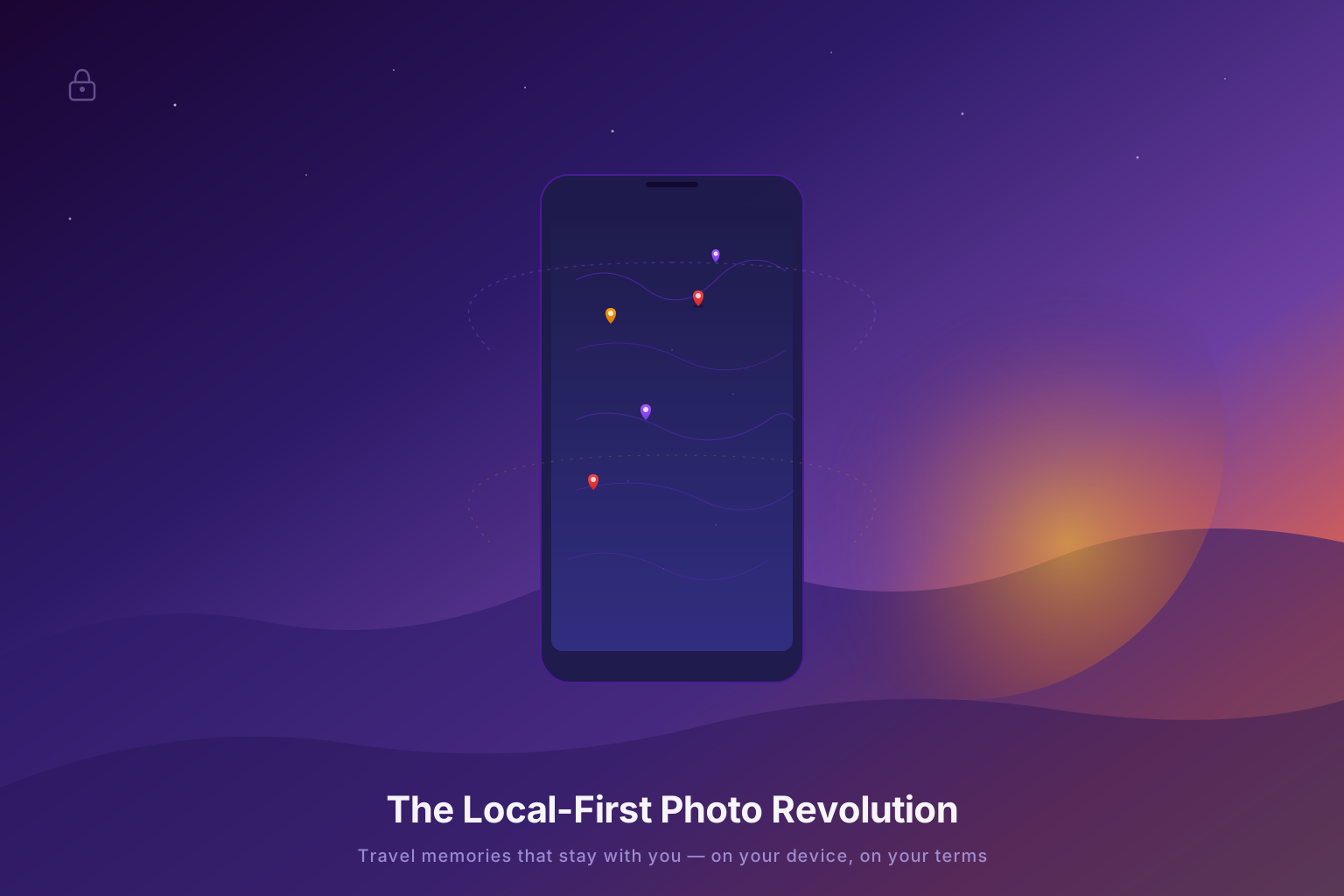
Every photo pinned to a world map. No manual tagging. No folders. No "which album did I put Bali in?" Just zoom out, see your whole travel history spread across the globe, and zoom into any location to revisit the moments. Tap a pin in Tokyo — there's the ramen shop. Tap a pin in Iceland — there's the northern lights.
This is Wimemo's Atlas feature, and it works because everything happens on your device. The GPS coordinates in your photos go straight to the map renderer — no upload, no server processing, no privacy trade-off. Your travel story stays yours, and it's always ready when you want to revisit it.
Privacy Isn't a Feature — It's the Foundation
When your photos never leave your device, the privacy conversation fundamentally changes. There's nothing to opt out of because there was never anything to opt into.
No facial recognition running on a distant server. No location history being mined for advertising. No "we've updated our privacy policy" emails because the data was never collected in the first place. Your travel memories — the places you visited, the people you were with, the moments you captured — stay exactly where they belong: with you.
This isn't a premium add-on or a "privacy mode" toggle. It's the baseline. And in 2026, a growing number of travelers are realizing this is the only baseline that makes sense.
2026: The Tipping Point
Something shifted this year. It's not just a few privacy enthusiasts on r/degoogle. It's regular travelers on r/travel asking "what do you do with photos after a trip?" and getting answers that no longer default to "upload them to the cloud." It's families realizing their decade of memories is locked inside a service that could change its pricing — or its privacy policy — at any moment.
The local-first photo revolution isn't about rejecting technology. It's about remembering who technology is supposed to serve. Your travel memories are some of the most personal data you'll ever create. In 2026, more people than ever are deciding those memories belong at home — on their devices, on their terms, always there when they reach for them.
No loading spinner required.
本地优先的照片革命:为什么2026年是旅行回忆回归本地的一年
经过十年"一切上云",旅行者正在重新夺回他们的回忆——一张照片接一张照片。
你正坐在回家的航班上。手机开了飞行模式。这趟旅行拍了2000张照片——圣托里尼的日落、东京那家小小的拉面店、孩子在埃菲尔铁塔前发光的小脸。你想翻翻这些照片,重温那些瞬间,也许给旁边的人看一眼。但云相册需要网络。于是你对着加载中的转圈发呆,而不是看着自己的回忆。
这不是假设。这是每天数百万旅行者正在经历的时刻。而到了2026年,他们终于开始做出改变。
2026年5月的Reddit讲述了这个故事。在r/googlephotos板块,一篇题为"有什么好的替代品吗?"的帖子两周内获得了25个赞和27条评论——用户们的免费存储空间快用完了,账户达到了上限,家庭成员的照片分散在四个不同的平台上。在r/degoogle板块,问题更加直接:"哪些相册App可以把照片只存在本地?"他们在寻找的答案不是另一个云服务。而是完全不要云。
这就是本地优先的照片革命。而旅行记忆正处在它的中心。
推动这场逃离的三个催化剂
为什么是现在?2026年,三股力量汇聚在一起,把旅行者推到了临界点。
第一,存储限制真的触及底线了。免费空间已经缩小了好几年,但2026年是数学不再成立的一年。两周旅行能产生成千上万张照片和视频——4K格式下轻松达到20到50GB。每年几次旅行,加上家庭照片和日常快照,你就比以往更快地触碰上限。当r/googlephotos的用户在2026年5月下旬开始发帖说"不符合storage saver资格"时,这不是bug报告——这是一记警钟。
第二,隐私觉醒。越来越多的人开始理解"云相册存储"到底意味着什么:你的照片被扫描以识别物体、人脸和位置——不是为了帮你,而是为了建立广告画像。2026年5月22日r/degoogle上的一条帖子抓住了这种情绪:用户想要"照片只存在本地的相册App"。不是云端加密。不是"尊重隐私"的云。就是本地。
第三,离线的期望。旅行天然让网络变得不可靠。山上没有基站。地铁在地下运行。国际漫游又贵又慢。当你没有网络就无法查看自己的照片时,"随时随地查看回忆"的承诺就变成了"哪里都看不了"。
"本地优先"到底是什么意思
本地优先不意味着"永远不上网"。它意味着你的设备是数据的源头。你的照片首先存在手机上,在那里整理,在那里搜索。云只是一个可选的备份,而不是主要的存储——更不是浏览自己回忆的唯一途径。
这与云优先的App有根本区别。在云优先的世界里,照片立即上传,本地副本只是一个临时缓存。你需要网络才能浏览自己的照片。在本地优先的世界里,你的照片始终在那里——在飞机上、在地铁里、在没有信号的偏远海滩上。你不是"下载"你的回忆。它们从来没有离开过。
为什么旅行照片是本地优先的终极场景
如果说有一种照片最需要本地优先的架构,那就是旅行照片。原因如下。
你经常离线。无论是在巴塔哥尼亚的山间徒步、在京都参观寺庙,还是飞越太平洋的长途航班,旅行都会制造网络断点。这些恰恰是你最想翻看照片的时刻——回忆、规划第二天、和同行的旅伴分享一个瞬间。依赖云的App恰恰在最不该失效的时候失效了。
你需要即时访问。当青旅里有人问"今天去了哪里?"你想直接展示——而不是解释说照片"还在上传中"。旅行回忆是应该在当下分享的,而不是被缓冲的。
你在乎地点。每张旅行照片都有一个与地点相关的故事:这是巴黎那个咖啡馆,那是塞多纳的观景点。基于地图的组织方式——利用GPS数据自动把照片展示在世界地图上——是浏览旅行回忆最自然的方式。而它在照片的GPS数据在本地处理时效果最好。
旅行地图:你个人的旅行足迹
这是本地优先方法最闪耀的地方。当你的旅行照片留在设备上、保留着原始的GPS数据时,你可以构建一个任何云服务都无法比拟的东西:一个个人旅行地图。
每张照片都钉在世界地图上。不需要手动打标签。不需要文件夹。不需要想"巴厘岛的照片放在哪个相册里了?"只需要缩小,看到你的整个旅行历史遍布全球,然后放大到任意地点重温那些瞬间。点一下东京的标记——拉面店就在那里。点一下冰岛的标记——极光就在那里。
这是Wimemo的Atlas旅行地图功能。它之所以有效,是因为一切都发生在你的设备上。照片中的GPS坐标直接送到地图渲染器——不需要上传,不需要服务器处理,不需要隐私妥协。你的旅行故事始终属于你,随时准备好等你重温。
隐私不是功能——它是基石
当你的照片从未离开过你的设备时,隐私的对话从根本上改变了。没有什么需要"退出"的,因为你从未"加入"过任何东西。
没有在远方的服务器上运行人脸识别。没有位置历史被挖掘用于广告。没有"我们更新了隐私政策"的邮件——因为数据从一开始就没有被收集。你的旅行回忆——你去过的地方、你在一起的人、你捕捉的瞬间——始终留在了它们该在的地方:和你在一起。
这不是什么高级附加功能或"隐私模式"开关。这是基线。而到了2026年,越来越多的旅行者意识到,这是唯一合理的基线。
2026年:转折点
今年有些事情变了。不再只是r/degoogle上的少数隐私爱好者了。而是r/travel上的普通旅行者在问"旅行结束后照片怎么办?",得到的答案不再默认是"上传到云端"。而是家庭意识到他们十年的回忆被锁在一个随时可能改变定价——或隐私政策——的服务里。
本地优先的照片革命不是拒绝技术。而是记住技术应该为谁服务。你的旅行回忆是你创造的最私人的数据之一。在2026年,比以往任何时候都多的人决定,这些回忆应该留在家——留在自己的设备上,按照自己的方式,随时伸手就能触及。
不需要加载转圈。
ローカルファースト写真革命:2026年、旅の思い出が手元に戻る年
「すべてをクラウドに」の10年を経て、旅人たちは一枚一枚、思い出を取り戻しつつあります。
帰りの飛行機の中。スマホは機内モード。今回の旅で撮った写真は2000枚——サントリーニの夕日、東京の小さなラーメン屋、エッフェル塔の前で輝く子どもの顔。スクロールして、あの瞬間を思い返したい。隣の人に見せたい。でもクラウド写真アプリはインターネットが必要です。だから自分の思い出の代わりに、読み込み中のアイコンをただ見つめるだけ。
これは仮定の話ではありません。毎日、何百万人もの旅行者が経験している瞬間です。そして2026年、彼らはついに動き始めました。
2026年5月のRedditがその物語を語っています。r/googlephotosでは「良い代替手段はありますか?」という投稿が2週間で25の評価と27のコメントを集めました——無料ストレージが底をつき、アカウントの上限に達し、家族の写真が4つの異なるプラットフォームに散らばっていることに気づいたユーザーたち。r/degoogleでは、さらに直接的な質問が:「写真がデバイスにのみ保存されるギャラリーアプリは?」求められている答えは、別のクラウドサービスではありません。クラウドを全く使わないことです。
これがローカルファースト写真革命です。そして、旅の思い出がその中心にあります。
脱出を加速させる3つの触媒
なぜ今なのか?2026年には3つの力が合わさり、旅行者を限界点まで押し上げました。
第一に、ストレージ制限が本当の壁になったこと。無料枠は何年も縮小されてきましたが、2026年は計算が成り立たなくなった年です。2週間の旅行で何千枚もの写真や動画が生成されます——4Kなら簡単に20〜50GB。年間数回の旅行に家族写真や日常のスナップを加えれば、これまでより早く上限に達します。2026年5月下旬、r/googlephotosのユーザーが「storage saverの対象外」と投稿し始めたとき、それはバグ報告ではなく、目覚ましのベルでした。
第二に、プライバシーへの目覚め。「クラウド写真ストレージ」が実際に何を意味するのか、より多くの人が理解し始めています。あなたの写真は物体、顔、場所をスキャンされています——あなたのためではなく、広告プロファイルを構築するためです。2026年5月22日のr/degoogleの投稿がその感情を捉えています:ユーザーは「デバイスにのみ写真が保存されるギャラリーアプリ」を求めています。クラウドで暗号化されたものではなく、「プライバシーを尊重する」クラウドでもなく。ローカルです。
第三に、オフラインへの期待。旅行は本質的にインターネットを信頼できないものにします。山には基地局がありません。地下鉄は地下を走ります。国際ローミングは高価で遅いです。接続なしで自分の写真にアクセスできないとき、「どこでも思い出にアクセス」という約束は「どこでもアクセスできない」になります。
「ローカルファースト」の本当の意味
ローカルファーストは「絶対にインターネットを使わない」という意味ではありません。あなたのデバイスが信頼できる唯一の情報源だということです。写真はまずスマホに保存され、そこで整理され、そこで検索できます。クラウドはオプションのバックアップであり、主要なストレージではありません——そして自分の思い出を閲覧する唯一の方法では決してありません。
これはクラウドファーストのアプリとは根本的に異なります。クラウドファーストの世界では、写真は即座にアップロードされ、ローカルコピーは一時的なキャッシュにすぎません。自分の写真を見るのにインターネットが必要です。ローカルファーストの世界では、写真は常にそこにあります——飛行機の中でも、地下鉄でも、電波のない遠くのビーチでも。思い出を「ダウンロード」するのではありません。思い出は一度も離れたことがないのです。
旅行写真こそローカルファーストの究極のユースケース
ローカルファーストのアーキテクチャを最も必要とする写真が一つあるとすれば、それは旅行写真です。理由はこうです。
あなたは頻繁にオフラインになります。パタゴニアの山登りでも、京都の寺院訪問でも、太平洋を横断する長距離フライトでも、旅行はネットワークの途切れを生み出します。これらこそ、写真を見返したい瞬間です——振り返ったり、翌日の計画を立てたり、旅仲間と瞬間を共有したり。クラウド依存のアプリは、まさに最も困るタイミングで失敗します。
即時アクセスが必要です。ホステルで誰かが「今日はどこに行ったの?」と聞いたとき、見せたいのです——「まだアップロード中」と説明するのではなく。旅の思い出はその場で共有されるべきものであり、バッファされるべきではありません。
場所を気にしています。すべての旅行写真には場所に結びついた物語があります:あれはパリのカフェ、それはセドナの展望台。地図ベースの整理——GPSデータを使って写真が自動的に世界地図上に表示される——は、旅行の思い出を閲覧する最も自然な方法です。そしてそれは、各写真に埋め込まれたフル解像度のGPSデータを使ってローカルで処理するときに最も効果を発揮します。
Atlas:あなただけの旅行地図
ここでローカルファーストのアプローチが最も輝きます。旅行写真が元のGPSデータを保持したままデバイスに残っているとき、どんなクラウドサービスも真似できないものを作れます:パーソナルな旅行地図です。
すべての写真が世界地図にピン留めされます。手動のタグ付けは不要。フォルダも不要。「バリ島の写真、どのアルバムに入れたっけ?」と悩むこともありません。ただズームアウトして、地球全体に広がるあなたの旅行履歴を見て、任意の場所にズームインして瞬間を再訪するだけ。東京のピンをタップ——ラーメン屋があります。アイスランドのピンをタップ——オーロラがあります。
これがWimemoのAtlas機能です。そしてこれが機能するのは、すべてがあなたのデバイス上で行われるからです。写真のGPS座標は直接地図レンダラーに送られます——アップロードも、サーバー処理も、プライバシーのトレードオフもありません。あなたの旅の物語はあなたのままで、いつでも再訪する準備ができています。
プライバシーは機能ではなく、基盤です
写真がデバイスから一度も離れないとき、プライバシーの会話は根本的に変わります。オプトアウトするものは何もありません——なぜなら、そもそもオプトインしたものが何もなかったからです。
遠くのサーバーで顔認識が走ることもありません。位置履歴が広告のためにマイニングされることもありません。「プライバシーポリシーを更新しました」というメールも来ません——データがそもそも収集されていないからです。あなたの旅の思い出——訪れた場所、一緒にいた人々、捉えた瞬間——は、まさにあるべき場所に留まります:あなたの手元に。
これはプレミアムアドオンでも「プライバシーモード」のトグルでもありません。これが基準線です。そして2026年、ますます多くの旅行者が、これが唯一理にかなった基準線だと気づき始めています。
2026年:転換点
今年、何かが変わりました。もはやr/degoogleの少数のプライバシー愛好家だけではありません。r/travelの普通の旅行者が「旅行の後、写真をどうしていますか?」と尋ね、もはや「クラウドにアップロードする」がデフォルトの答えではなくなっています。10年分の思い出が、いつでも価格設定やプライバシーポリシーを変更できるサービスの中に閉じ込められていることに家族が気づき始めています。
ローカルファースト写真革命は、テクノロジーを拒絶することではありません。テクノロジーが誰のためにあるべきかを思い出すことです。あなたの旅の思い出は、あなたが作り出す最も個人的なデータの一部です。2026年、かつてないほど多くの人々が、それらの思い出は家にあるべきだと決断しています——自分のデバイスに、自分の条件で、手を伸ばせばいつでもそこに。
読み込み中のアイコンは必要ありません。
로컬 우선 사진 혁명: 2026년, 여행 추억이 집으로 돌아오는 해
"모든 것을 클라우드로" 10년을 지나, 여행자들이 한 장 한 장 추억을 되찾고 있습니다.
귀국 비행기 안입니다. 휴대폰은 비행기 모드. 이번 여행에서 찍은 사진이 2000장——산토리니의 석양, 도쿄의 작은 라멘 가게, 에펠탑 앞에서 반짝이는 아이의 얼굴. 스크롤하면서 그 순간들을 다시 느끼고 싶습니다. 옆 사람에게 보여주고 싶습니다. 하지만 클라우드 사진 앱은 인터넷이 필요합니다. 그래서 자신의 추억 대신 로딩 아이콘만 바라보고 있습니다.
이건 가상의 시나리오가 아닙니다. 매일 수백만 명의 여행자가 경험하는 순간입니다. 그리고 2026년, 그들은 마침내 행동하기 시작했습니다.
2026년 5월의 Reddit이 그 이야기를 들려줍니다. r/googlephotos에서는 "좋은 대안이 있나요?"라는 글이 2주 만에 25개의 추천과 27개의 댓글을 받았습니다——무료 저장 공간이 바닥나고, 계정 한도에 도달했으며, 가족 사진이 4개의 다른 플랫폼에 흩어져 있다는 것을 깨달은 사용자들. r/degoogle에서는 질문이 더욱 직접적입니다: "사진이 오직 기기에만 저장되는 갤러리 앱은?" 그들이 찾는 답은 또 다른 클라우드 서비스가 아닙니다. 클라우드가 전혀 없는 것입니다.
이것이 로컬 우선 사진 혁명입니다. 그리고 여행 추억이 그 중심에 있습니다.
탈출을 가속화하는 세 가지 촉매
왜 지금일까요? 2026년, 세 가지 힘이 합쳐져 여행자들을 한계점까지 밀어붙였습니다.
첫째, 저장 공간 제한이 현실이 되었다. 무료 용량은 수년간 줄어들어 왔지만, 2026년은 계산이 더 이상 성립하지 않는 해입니다. 2주 여행은 수천 장의 사진과 동영상을 만들어냅니다——4K로 촬영하면 쉽게 20~50GB. 연간 몇 번의 여행에 가족 사진과 일상 스냅을 더하면, 그 어느 때보다 빠르게 한도에 도달합니다. 2026년 5월 말, r/googlephotos 사용자들이 "storage saver 대상이 아님"이라고 게시하기 시작했을 때, 그것은 버그 신고가 아니라 경종이었습니다.
둘째, 프라이버시 각성. "클라우드 사진 저장"이 실제로 무엇을 의미하는지 더 많은 사람들이 이해하기 시작했습니다. 당신의 사진은 물체, 얼굴, 위치를 스캔당하고 있습니다——당신을 돕기 위해서가 아니라 광고 프로필을 구축하기 위해서입니다. 2026년 5월 22일 r/degoogle의 한 게시물이 그 감정을 포착합니다: 사용자는 "사진이 오직 기기에만 저장되는 갤러리 앱"을 원합니다. 클라우드에서 암호화된 것도, "프라이버시를 존중하는" 클라우드도 아닙니다. 로컬입니다.
셋째, 오프라인 기대. 여행은 본질적으로 인터넷을 신뢰할 수 없게 만듭니다. 산에는 기지국이 없습니다. 지하철은 땅속을 달립니다. 국제 로밍은 비싸고 느립니다. 연결 없이는 자신의 사진에 접근할 수 없을 때, "어디서나 추억에 접근"이라는 약속은 "아무 데서도 접근할 수 없음"이 됩니다.
"로컬 우선"의 진정한 의미
로컬 우선은 "절대 인터넷을 쓰지 않는다"는 의미가 아닙니다. 당신의 기기가 진실의 원천이라는 뜻입니다. 사진은 먼저 휴대폰에 저장되고, 거기서 정리되고, 거기서 검색됩니다. 클라우드는 선택적 백업일 뿐, 주요 저장소가 아닙니다——그리고 절대 자신의 추억을 열람하는 유일한 방법이 아닙니다.
이것은 클라우드 우선 앱과 근본적으로 다릅니다. 클라우드 우선 세계에서는 사진이 즉시 업로드되고 로컬 사본은 임시 캐시에 불과합니다. 자신의 사진을 보려면 인터넷이 필요합니다. 로컬 우선 세계에서는 사진이 항상 거기에 있습니다——비행기 안에서도, 지하철에서도, 신호가 없는 외딴 해변에서도. 추억을 "다운로드"하는 게 아닙니다. 추억은 떠난 적이 없습니다.
여행 사진이 로컬 우선의 궁극적 사용 사례인 이유
로컬 우선 아키텍처를 가장 필요로 하는 사진 유형이 하나 있다면, 그것은 여행 사진입니다. 이유는 이렇습니다.
당신은 자주 오프라인 상태가 됩니다. 파타고니아의 산악 하이킹이든, 교토의 사찰 방문이든, 태평양을 가로지르는 장거리 비행이든, 여행은 연결 단절을 만들어냅니다. 이것이 바로 사진을 보고 싶은 순간들입니다——돌아보고, 다음 날을 계획하고, 동료 여행자와 순간을 공유하고 싶은 때. 클라우드 의존 앱은 정확히 가장 곤란한 순간에 실패합니다.
즉시 접근이 필요합니다. 호스텔에서 누군가 "오늘 어디 갔어요?"라고 물으면, 보여주고 싶습니다——"아직 업로드 중이에요"라고 설명하는 게 아니라. 여행 추억은 그 자리에서 공유되어야 할 것입니다, 버퍼링되는 것이 아니라.
당신은 장소를 신경 씁니다. 모든 여행 사진에는 장소와 연결된 이야기가 있습니다: 저건 파리의 카페, 그건 세도나의 전망대. 지도 기반 정리——GPS 데이터를 사용해 사진이 세계 지도에 자동으로 표시되는——는 여행 추억을 열람하는 가장 자연스러운 방법입니다. 그리고 이것은 각 사진에 내장된 풀 해상도 GPS 데이터를 로컬에서 처리할 때 가장 잘 작동합니다.
Atlas: 당신만의 여행 지도
바로 여기서 로컬 우선 접근 방식이 가장 빛납니다. 여행 사진이 원본 GPS 데이터를 그대로 유지한 채 기기에 남아 있을 때, 어떤 클라우드 서비스도 따라올 수 없는 것을 만들 수 있습니다: 개인 여행 지도입니다.
모든 사진이 세계 지도에 핀으로 표시됩니다. 수동 태그는 필요 없습니다. 폴더도 필요 없습니다. "발리 사진을 어느 앨범에 넣었더라?" 고민할 필요도 없습니다. 그저 축소해서 지구 전체에 펼쳐진 당신의 여행 기록을 보고, 아무 장소나 확대해서 순간을 다시 방문하세요. 도쿄 핀을 탭——라멘 가게가 있습니다. 아이슬란드 핀을 탭——오로라가 있습니다.
이것이 Wimemo의 Atlas 기능입니다. 그리고 이것이 작동하는 이유는 모든 것이 당신의 기기에서 일어나기 때문입니다. 사진 속 GPS 좌표는 직접 지도 렌더러로 전달됩니다——업로드도, 서버 처리도, 프라이버시 트레이드오프도 없습니다. 당신의 여행 이야기는 당신의 것이며, 언제든 다시 방문할 준비가 되어 있습니다.
프라이버시는 기능이 아니라 기반입니다
사진이 기기에서 한 번도 떠나지 않을 때, 프라이버시에 관한 대화는 근본적으로 바뀝니다. 옵트아웃할 것이 없습니다——애초에 옵트인한 적이 없었기 때문입니다.
먼 서버에서 얼굴 인식이 실행되지 않습니다. 위치 기록이 광고를 위해 마이닝되지 않습니다. "개인정보 처리방침을 업데이트했습니다"라는 이메일도 오지 않습니다——데이터가 애초에 수집되지 않았기 때문입니다. 당신의 여행 추억——방문한 장소, 함께한 사람들, 포착한 순간들——은 정확히 있어야 할 곳에 머뭅니다: 당신과 함께.
이것은 프리미엄 추가 기능이나 "프라이버시 모드" 토글이 아닙니다. 이것이 기준선입니다. 그리고 2026년, 점점 더 많은 여행자들이 이것이 유일하게 합리적인 기준선임을 깨닫고 있습니다.
2026년: 전환점
올해 무언가가 바뀌었습니다. 더 이상 r/degoogle의 소수 프라이버시 애호가들만이 아닙니다. r/travel의 평범한 여행자들이 "여행 후 사진 어떻게 하세요?"라고 묻고, 더 이상 "클라우드에 업로드하세요"가 기본 답변이 아닙니다. 10년치 추억이 언제든 가격 정책이나 개인정보 처리방침을 바꿀 수 있는 서비스 안에 갇혀 있다는 것을 가족들이 깨닫기 시작했습니다.
로컬 우선 사진 혁명은 기술을 거부하는 것이 아닙니다. 기술이 누구를 위해 있어야 하는지 기억하는 것입니다. 당신의 여행 추억은 당신이 만드는 가장 개인적인 데이터 중 일부입니다. 2026년, 그 어느 때보다 많은 사람들이 그 추억들을 집에 두기로 결정하고 있습니다——자신의 기기에, 자신의 조건으로, 손을 뻗으면 언제나 거기에.
로딩 아이콘은 필요하지 않습니다.